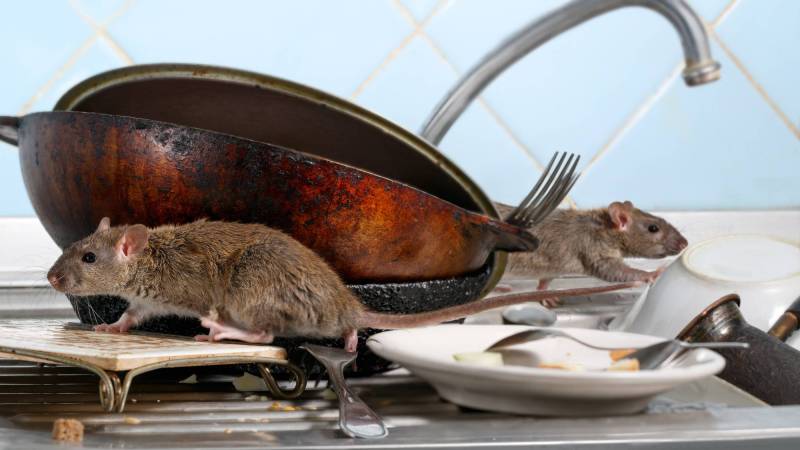

Rodents or insects in professional premises are more than an image problem. They may affect storage, cables, food products, archives and working conditions.
Effective treatment is not about applying a product at random. The pest or risk must be identified, entry points mapped, food and water sources understood, and an appropriate treatment and prevention plan selected.
1. Warning signs
Droppings, gnawed packaging, noises above ceilings, grease marks, unusual smells, dead or live insects and repeated complaints are signals that should be documented quickly.
2. Diagnosis comes before treatment
Locating nests, activity zones and access routes prevents treating symptoms only. It also helps select the right devices, products and follow-up frequency for the site.
3. Prevention is part of the service
Waste management, storage, closing access points, cleaning hidden areas and removing food or water sources reduce recurrence. Treatment without correcting the causes may only be temporary.
4. Document interventions
Professional sites benefit from keeping dates, treated areas, findings and recommendations. This traceability supports internal follow-up and decisions during later visits.